

Multi-Vendor Marketplace, tailored for PayRupees:
At PayRupees, we empower entrepreneurs and businesses to launch their own multi-vendor marketplace with ease. Our platform is designed to bring multiple sellers together under one digital roof, allowing them to showcase and sell their products or services to a wider audience. Whether you’re targeting physical goods, digital products, or services, our marketplace solution provides a flexible, scalable, and secure environment to grow your business.
Our multi-vendor platform comes equipped with powerful features such as individual vendor dashboards, commission management, order tracking, and automated payouts. Sellers can manage their inventory, view performance reports, and handle customer inquiries—all from a user-friendly interface. For marketplace owners, PayRupees offers complete control over vendor onboarding, product approvals, and revenue management, making operations streamlined and hassle-free.
One of the standout advantages of the PayRupees multi-vendor solution is its seamless integration capabilities. Whether you’re building a standalone marketplace or adding it to an existing platform, our system supports secure payment gateways, shipping partners, tax configurations, and more. With built-in tools for promotions, reviews, and analytics, vendors can focus on growing their sales while customers enjoy a smooth, reliable shopping experience.
At PayRupees, we believe in creating opportunities for everyone in the digital economy. Our multi-vendor marketplace solution is not just a product—it’s a pathway for small businesses, local sellers, and aspiring entrepreneurs to thrive online. Backed by robust support and continuous updates, our platform is designed to scale with your vision and drive long-term success in the eCommerce space.
Multi-Vendor Marketplace
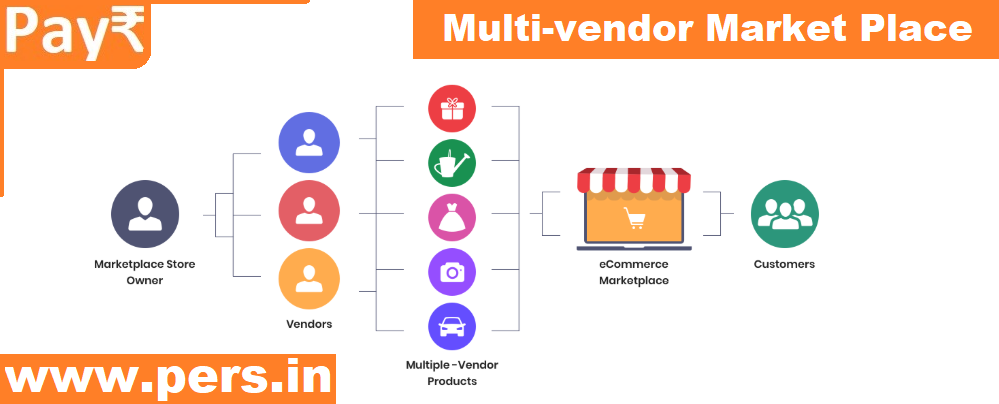
What is a Multi-Vendor Marketplace and Why It Matters
A multi-vendor marketplace is an eCommerce platform where multiple independent sellers can list, sell, and manage their products or services under a single storefront. Unlike traditional online stores that are managed by a single seller or brand, a multi-vendor marketplace allows many vendors to operate on one unified platform—similar to Amazon, Etsy, or Flipkart. This model not only benefits the marketplace owner but also provides significant opportunities for vendors and customers alike.
From the customer’s perspective, a multi-vendor marketplace offers diverse product selections, competitive pricing, and a seamless shopping experience. Users can browse products from different sellers, compare prices, read reviews, and make purchases—all in one place. This convenience is one of the main reasons why multi-vendor marketplaces have gained popularity across the globe.
For vendors, the platform offers a ready-made infrastructure to showcase their products without the need to build their own website. It eliminates the overhead of technical maintenance, payment processing, and customer acquisition. Sellers can focus on their core business—delivering quality products and services—while the marketplace platform handles everything from order management to logistics integrations. Many platforms also offer seller dashboards, performance insights, and promotional tools to help vendors grow their business.
From an administrative point of view, the marketplace owner (or admin) earns revenue through commissions, subscriptions, or listing fees from vendors. Additionally, they can control vendor access, product approvals, return policies, and customer service standards, ensuring consistency across the platform. The admin also benefits from the network effect—as more sellers join the marketplace, more buyers are attracted, which in turn brings in even more sellers.
Modern multi-vendor marketplace platforms are equipped with a variety of features and integrations such as real-time inventory management, automated payouts to sellers, secure payment gateways, customizable vendor storefronts, reviews and ratings, and multi-language/multi-currency support. These features help create a scalable and user-friendly environment for both buyers and sellers.
Building a successful multi-vendor marketplace requires the right technology. Platforms like Magento, WooCommerce (with Dokan), Shopify (with multi-vendor apps), and custom SaaS solutions provide the flexibility to launch and scale a marketplace tailored to your business goals. Whether you’re starting a niche product marketplace or a large B2B platform, the right setup will allow you to manage vendors efficiently and deliver a seamless shopping experience.
In conclusion, a multi-vendor marketplace is a powerful business model that brings value to all stakeholders involved. It enables platform owners to scale their operations without holding inventory, provides sellers with access to a broader customer base, and offers buyers greater choice and convenience. With the continued growth of online shopping and digital services are set to play a crucial role in the future of eCommerce.