
Inventory Management System, assuming it’s a product or feature offered by PayRupees:
At PayRupees, we understand that managing inventory efficiently is key to running a successful business. That’s why we’ve developed a smart and scalable Inventory Management System designed to streamline stock control, reduce errors, and give you full visibility into your inventory operations. Whether you’re a retailer, wholesaler, or manufacturer, our solution ensures you never miss a sale due to stockouts or suffer losses from overstocking.
Our system offers real-time tracking of inventory across multiple locations, allowing you to monitor stock levels, product movements, and reorder points from a single dashboard. With automated alerts and detailed reporting, you’ll always stay ahead of your inventory needs. Plus, our solution integrates seamlessly with your existing sales, billing, and accounting systems—creating a unified workflow that saves time and eliminates manual errors.
One of the standout features of the PayRupees Inventory Management System is its user-friendly interface and flexible customization options. Whether you deal with hundreds or thousands of SKUs, you can easily categorize, filter, and manage your stock based on your unique business requirements. Barcode scanning, batch tracking, and supplier management tools are also built-in to simplify day-to-day operations.
With PayRupees, you’re not just getting inventory software—you’re gaining a reliable partner in business growth. Our solution helps you optimize inventory turnover, improve order accuracy, and enhance customer satisfaction. Backed by strong support and regular updates, our Inventory Management System is built to scale as your business grows.
Inventory Management System
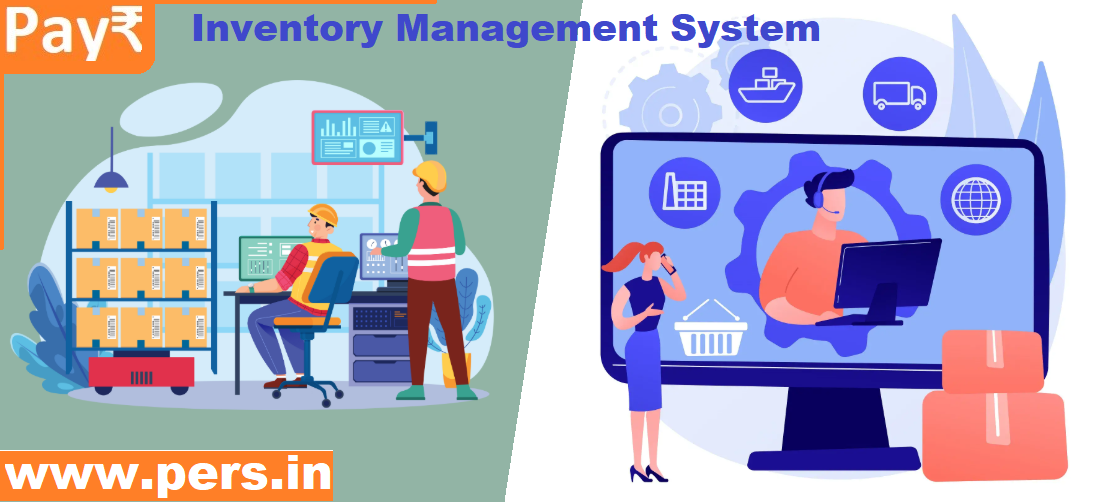
Inventory Management System and Why It Matters
An Inventory Management System (IMS) is a digital tool that helps businesses monitor, manage, and optimize their inventory in real-time. Whether a company is involved in retail, manufacturing, eCommerce, or distribution, keeping accurate track of inventory is crucial for operational efficiency and customer satisfaction. An effective inventory management system not only reduces errors and costs but also ensures that the right products are available at the right time.
Traditionally, businesses relied on manual processes like spreadsheets or paper-based tracking to manage inventory. However, these methods are time-consuming and prone to human error. A modern inventory management system automates these processes, offering features like stock level tracking, order management, sales forecasting, and warehouse management. These capabilities allow businesses to make smarter decisions based on real-time data.
One of the key benefits of an inventory management system is stock accuracy. It prevents overstocking and stockouts, which can lead to lost sales or increased storage costs. The system tracks inventory levels across multiple locations and updates automatically when sales or purchases are made. This ensures that businesses always have a clear picture of their inventory position.
Another major advantage is real-time visibility. With cloud-based inventory systems, business owners and managers can access their inventory data from anywhere, using any device. This improves responsiveness and helps with remote management, especially for businesses with multiple warehouses or sales channels.
An inventory system also plays a critical role in order management. It helps businesses automate reordering processes, set reorder points, and manage supplier information. This reduces the manual workload and ensures that orders are placed at the right time, in the right quantities.
Integration with other systems is another strong point. Most inventory management solutions can integrate with accounting software, eCommerce platforms, and POS systems, providing a seamless flow of information across all business functions. This reduces duplication of work and improves overall data accuracy.
For manufacturers, inventory systems can also track raw materials and work-in-progress items, helping to improve production planning and reduce waste. For retailers, the system can sync with online and offline sales platforms, ensuring accurate inventory levels across all channels.
Using an inventory management system can also enhance customer satisfaction. By maintaining optimal stock levels and preventing delays, businesses can fulfill orders faster and more reliably. This builds trust and improves the overall customer experience.
Security and audit trails are other important features. Every change in the inventory is logged, providing transparency and accountability. This is especially valuable for compliance and financial reporting.
In conclusion, an Inventory Management System is an essential tool for modern businesses looking to grow efficiently and competitively. It automates tedious tasks, provides valuable insights, and supports better decision-making. Whether you run a small business or a large enterprise, investing in the right inventory management solution can save time, reduce costs, and drive long-term success.